
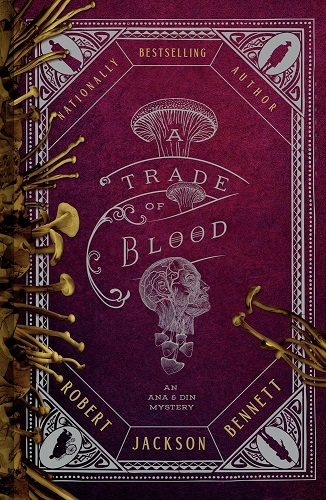
A Trade of Blood (Ana and Din Mysteries)
Ana and Din are the best mystery-solving duo since Holmes and Watson, and they're back for another round of homicide investigation in the latest tale in the "Shadow of the Leviathan" series.
Ana and Din are the best mystery-solving duo since Holmes and Watson, and they’re back for another round of homicide investigation in the latest tale in the “Shadow of the Leviathan” series by Robert Jackson Bennett. In this “A Trade of Blood” book review, I’ll cover why we should all avoid mushrooms, beef, and getting involved with family drama.
New Murder, Same Story
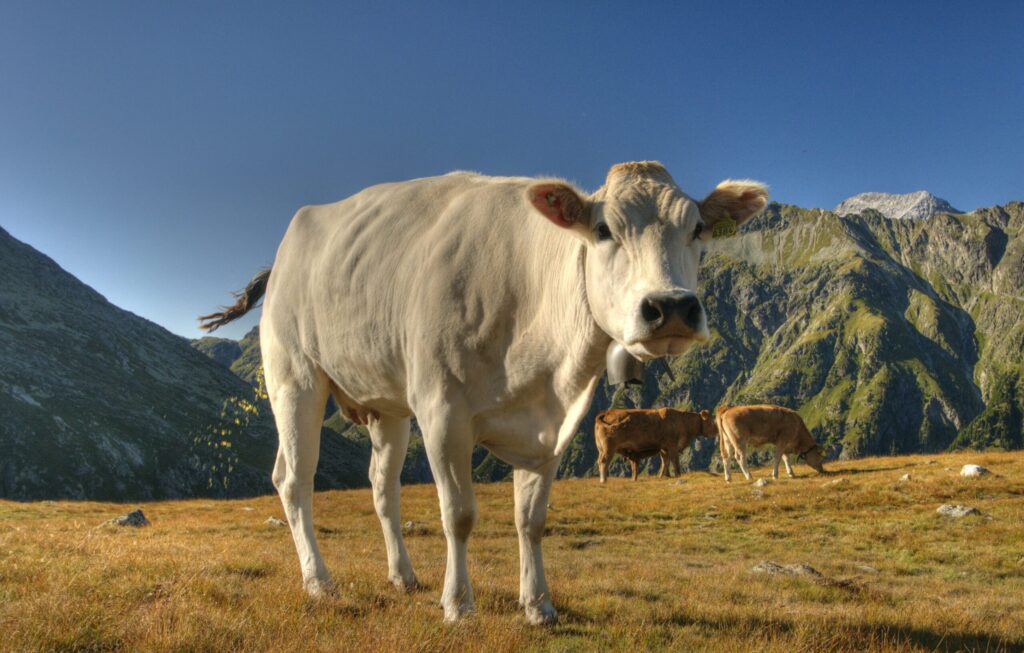
We join Ana and Din in their usual circumstances at the beginning of each novel — on their way to the scene of a gruesome crime. But this time, things are a little different. The murder has taken place in Din’s homeland, the farming and cattle sector of the Empire, meaning we’ll get to learn more about his past and his family.
And this murder, unlike the others they’ve faced so far, seems to be relatively straightforward. A man has gutted his secret lover and fled the scene, but he’s been captured. Case closed, right?
Wrong. Immediately, both Ana and Din know something is up, and they get to their detective work to figure out what really happened with this clandestine romance.
From there, we’re plunged into family drama that’s a slight callback to “Romeo and Juliet,” but with far more drastic consequences.
Why Mushrooms Are Bad: A Dissertation
This is a slight spoiler, so if you want to go in completely blind, maybe skip to the next section. But it turns out… the catalyst behind the murder as well as some other gruesome happenings around town is fungus.
A brain-controlling fungus that takes over silently, waiting to be activated by someone who can play the right note on a specific musical instrument.
Talk about a scary weapon.
This specific fungus is spread through the water supply, meaning Ana and Din aren’t sure who exactly is affected. There are no symptoms, other than complete obedience once the magic note is played.
Is the whole town infected? Are they infected?
I believe this setup is one of the more horrifying things we’ve seen yet in this series. Yes, giant killer whales that can attack on land are pretty terrifying. As are reagents that can explode at any time, deadly spores, etc. This world isn’t a very safe one, now that I think about it.
But the idea of being one note away from being mind-controlled? As the novel shows, it can turn things sour pretty fast.
The Deeper Message in “A Trade of Blood”
On the surface level, the whodunnit mystery takes center stage. But I believe “A Trade of Blood” has an important subtext that makes it more fascinating than the other books in this series.
In the previous books, we’ve learned that corruption is bad, especially when rulers abuse their absolute power. But this book takes it a step further to suggest that much of society’s problems come from our overconsumption and greed.
The cattle trade in the Empire is booming — people are becoming addicted to meat and want more, more, more. And naturally, the two main agricultural families in the story are happy to oblige, giving little thought to anything but their profits.
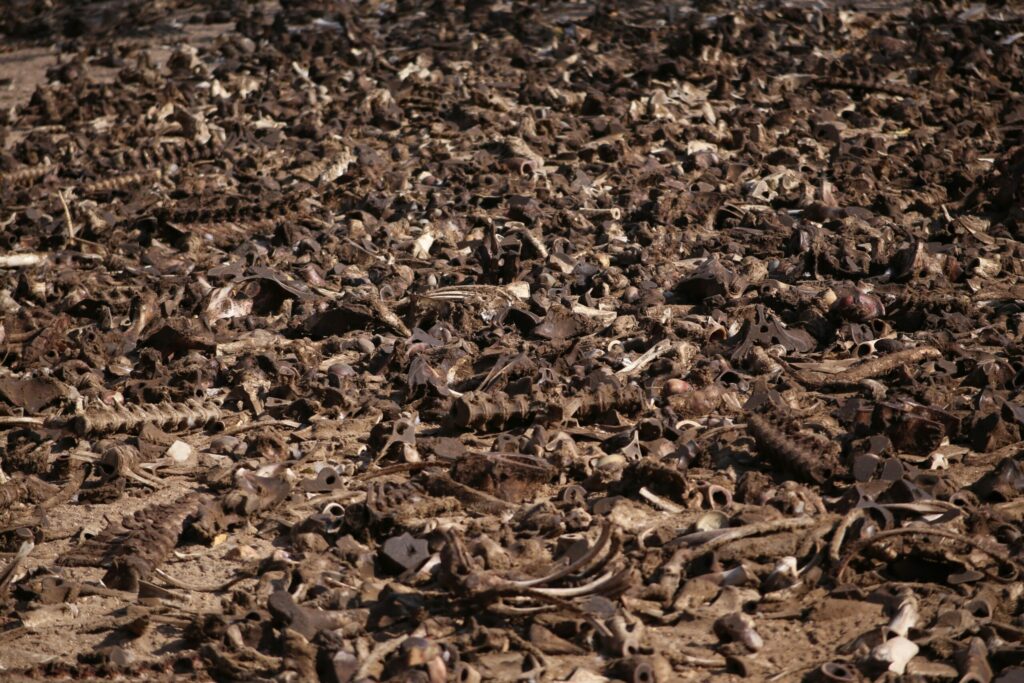
This leads to one of the grossest scenes in the novel, where Din encounters a massive pile of rotting cattle corpses. Rather than use the entire cow body, the producers cut out the meat they want, then toss the remaining material into a big heap in a landfill somewhere. It’s revolting, and the truly sad part is… this really isn’t fantasy.
This is a commentary on our existing society, about how we want more, more, more without considering the consequences. Raising cattle is one of the most uneconomical uses of resources in the world, as the amount of water and land they require is far more than they produce as a food source for us. We, like the Empire, are addicted to meat, and I wouldn’t be surprised if our overconsumption in general will be our downfall.
Obviously, both the book and I aren’t advocating for us all to become vegans and live off the land. But the message is clear: We need to find some way out of this that won’t harm ourselves and our planet.
Final Thoughts in this “A Trade of Blood” Book Review
I’ll be frank — this was my favorite book in the Shadow of the Leviathan series. It had everything I liked about the previous ones: a good mystery, witty dialogue, a creepy bioengineered plot device, and a healthy mix of fantasy and science. For all you Din-shippers, there’s even a bit of romance. And Ana… she’s still the old, witty, binge-eating lady we know and love.
There’s something about this society’s use of nature in everyday life that makes it so intriguing. I’ll keep reading this series forever, just because I want to see what ways they’ve come up with to harness flora and fauna next. Everything Bennett does with this world is so inventive and unique!
This book has also given us a bit more lore about the history of this civilization, as well as Ana’s backstory. We don’t have all the pieces yet — far from it — but we’re closer than where we started.
To sum up my opinion: if you’ve read the other books in the Ana and Din mystery series, you’ll also like this one. It’s more of the same, but with enough turns and twists to make it a wholly new take.
